
Gadgets and Tech
6 min read
How to Choose the Best Laser Distance Measuring Tools for Accurate Results
October 22 , 2026
By Ethan Carter
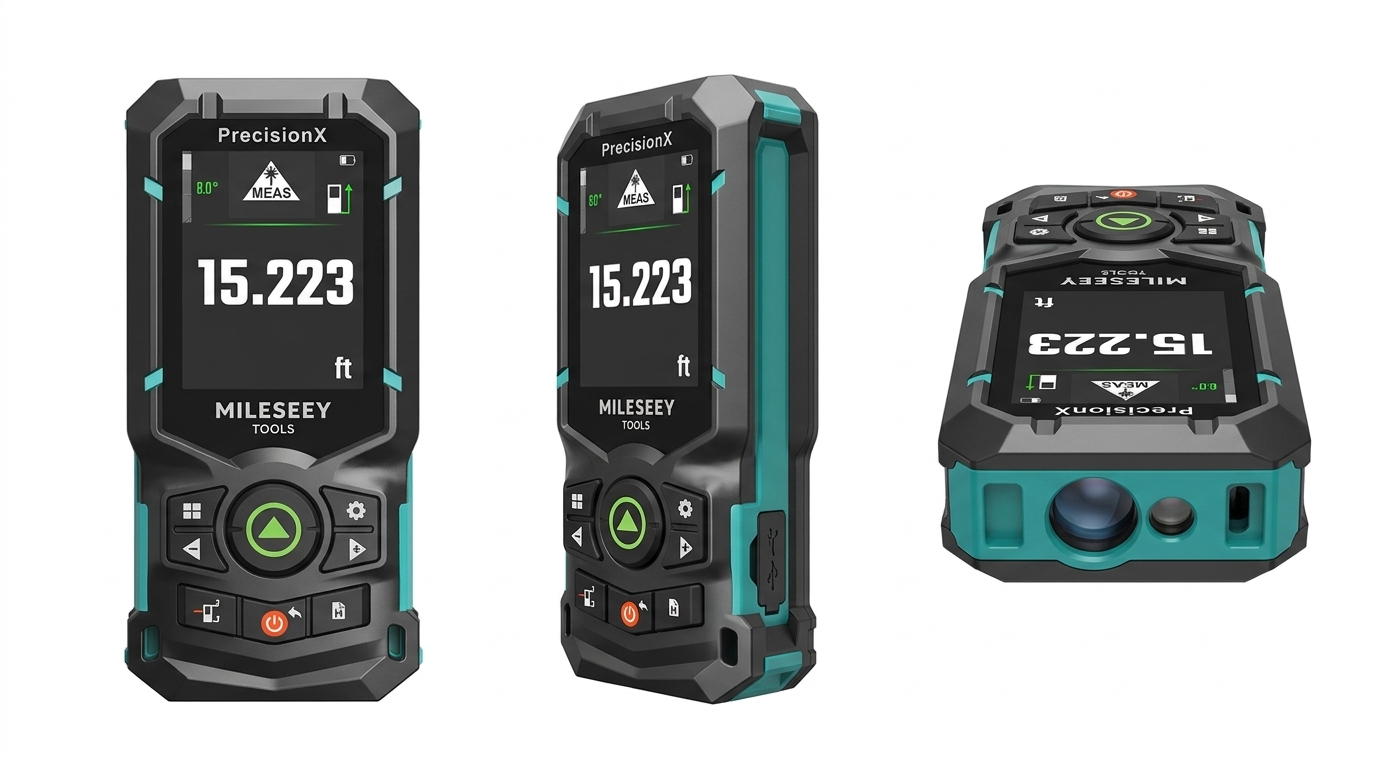
Explore laser distance measuring tools, digital laser tape measures, and thermal imaging cameras to improve measurement accuracy, simplify inspections, and work more efficiently.
Accurate measurements simplify home renovations, construction, and interior design projects. However, traditional tape measures often create challenges when you work alone or measure large spaces. Even minor errors can waste materials, increase expenses, and cause frustrating delays. Fortunately, modern Laser Distance Measuring Tools improve accuracy and simplify everyday measuring tasks. If you want reliable measuring technology, Mileseey Tools US offers options worth exploring when upgrading your toolkit.
Common Problems with Traditional Measuring Methods
Traditional tape measures work well for many tasks, but demanding situations can make them inconvenient. For example, measuring long distances often requires someone else to hold the tape securely. Additionally, uneven surfaces, awkward corners, and inaccessible areas complicate the process. These challenges reduce accuracy and efficiency. Incorrect measurements can also prevent furniture from fitting properly or require costly construction adjustments.
Professionals and DIY enthusiasts commonly encounter these problems:
- Limited reach: Measuring large rooms or outdoor spaces becomes difficult when working alone.
- Reading errors: Poor lighting and unclear markings can cause incorrect measurements.
- Time-consuming tasks: Repeated measurements slow projects and interrupt your workflow.
- Difficult positioning: Corners, ceilings, and narrow spaces complicate conventional measuring tasks.
- Inconsistent results: Different measuring techniques can produce conflicting measurements.
Therefore, understanding these limitations helps you choose equipment that suits your specific requirements.
Why Measurement Errors Happen
Measurement errors often result from unsuitable tools, poor positioning, or simple human mistakes. For instance, a tape measure can bend, sag, or shift when you measure longer distances. Even minor movements can affect the final result. Environmental conditions also influence accuracy. Low lighting makes markings difficult to read, while cluttered workspaces restrict access to measurement points. Fortunately, modern technology addresses several of these challenges. Digital Laser Tape Measures use laser technology to calculate distances electronically. Consequently, users can measure spaces without stretching physical tape across their entire length. Meanwhile, Thermal Imaging Cameras help users identify temperature differences across surfaces. These devices support building inspections, electrical troubleshooting, and investigations into potential insulation problems. However, thermal imaging serves a different purpose from distance measurement. Ultimately, choosing suitable equipment requires understanding your measurement needs and the information your project demands.
Practical Ways to Improve Measuring Accuracy
You can improve measurement accuracy by combining appropriate equipment with consistent working habits. Before purchasing new tools, consider how you measure spaces, materials, and surfaces.
1. Choose Laser Distance Measuring Tools for Long Distances
Laser Distance Measuring Tools simplify measurements across rooms, corridors, and other large spaces. Depending on the model, these devices measure distances quickly without requiring physical tape extensions.
Before choosing a device, evaluate these important features:
- Measuring range: Select a range that comfortably accommodates your typical projects.
- Accuracy rating: Review the manufacturer's stated accuracy and recommended measurement conditions.
- Display readability: Choose a clear screen that suits your working environment.
- Measurement functions: Consider area, volume, and continuous measurement modes.
- Portability: Select a compact design if you frequently travel between job sites.
These features help you identify equipment that meets your everyday requirements.
2. Use Digital Laser Tape Measures for Everyday Projects
Digital Laser Tape Measures help homeowners, contractors, and interior designers complete routine measurements more conveniently. Depending on their specifications, these devices calculate room dimensions and provide additional measurement functions. For example, you can measure walls before purchasing wallpaper or calculate floor dimensions before installing new flooring. Some models also calculate areas, helping you estimate material requirements. However, always consult the manufacturer's instructions before using advanced functions. Additionally, verify critical dimensions whenever project specifications require greater certainty.
3. Consider Thermal Imaging Cameras for Inspections
Thermal Imaging Cameras display temperature variations across objects and surfaces. Therefore, they help users investigate unusual heat patterns without directly touching potentially hot equipment.
Common applications include:
- Identifying potential insulation gaps in buildings.
- Investigating overheating electrical components.
- Checking temperature variations around windows and doors.
- Supporting machinery maintenance inspections.
- Detecting potential moisture-related patterns that require further investigation.
However, thermal images cannot independently confirm specific faults. Reflective surfaces, environmental conditions, and material properties can influence readings. Therefore, investigate suspicious findings with appropriate testing methods.
Choosing a Reliable Measuring Solution
When selecting measuring equipment, prioritize functionality, usability, and suitability over unnecessary features. Ideally, your chosen device should support your work without complicating everyday tasks. Mileseey Tools US provides a starting point for exploring measuring equipment options. Before selecting a model, review its available specifications, intended applications, and supported functions.
When comparing products, evaluate these important factors:
- Your primary application: Determine whether you need distance measurements, thermal inspections, or both.
- Working conditions: Consider indoor lighting, outdoor visibility, and common environmental challenges.
- Required precision: Match the device's stated accuracy to your project's tolerance requirements.
- Ease of operation: Choose intuitive controls and easily readable displays.
- Long-term value: Compare durability, included accessories, warranty terms, and overall costs.
Rather than choosing equipment based solely on price, prioritize features that address your recurring measurement challenges.
Benefits of Upgrading Your Measuring Equipment
Modern measuring devices can improve productivity when they match your actual requirements. For example, Laser Distance Measuring Tools simplify measurements across various spaces. Meanwhile, suitable thermal imaging equipment supports additional inspection tasks.
Upgrading your equipment may provide several practical benefits.
Greater convenience: Electronic measurements simplify tasks that previously required extended tape measures or additional assistance.
Improved workflow: Faster measurements help you move between project stages with fewer interruptions.
Useful calculations: Compatible devices calculate areas and volumes, supporting preliminary material estimates.
Better inspection capabilities: Thermal Imaging Cameras reveal temperature patterns that ordinary visual inspections might overlook.
More informed decisions: Consistent measurements help you plan layouts, estimate materials, and identify issues requiring further investigation.
Nevertheless, no device eliminates every measurement error. Therefore, maintain proper techniques, inspect your equipment regularly, and verify critical measurements.
Make a Smarter Choice for Your Next Project
Suitable measuring equipment makes renovation, construction, and maintenance projects more manageable. First, identify your biggest challenges. Then, compare tools that directly address those specific needs. Laser Distance Measuring Tools suit many distance-related tasks, while Digital Laser Tape Measures provide convenient electronic measurements. Conversely, Thermal Imaging Cameras offer complementary inspection capabilities when temperature information matters. Before purchasing, review product specifications, accuracy ratings, operating instructions, and warranty details. Mileseey Tools US is worth exploring as you compare available options and identify valuable features. Ultimately, combining appropriate equipment with careful measuring habits helps reduce avoidable mistakes. As a result, you can plan projects confidently, manage materials effectively, and work more efficiently.
live smarter
Shop smarter, live better, and stay ahead of the trends with our reliable recommendations!


trending
Gadgets and Tech
6 min read
How to Choose Quality Bongs and Water Pipes for a Better Experience
Fashion
6 min read
How to Choose Smart Electronic Chess Boards for Better Training
Home and Garden
6 min read
How to Design a Better Home Office with Ease
Health and Beauty
4 min read
Graymatter Bright Mind: A Smarter Daily Drink Mix for Mental Performance
Fitness and Sports
5 min read
Winter Hiking with The Right Essentials Decathlon
Travel
11 min read
The Ultimate Guide To Car Maintenance For Beginners
N/A
7 min read