
Fashion
6 min read
How to Choose Smart Electronic Chess Boards for Better Training
October 22 , 2026
By Ethan Carter
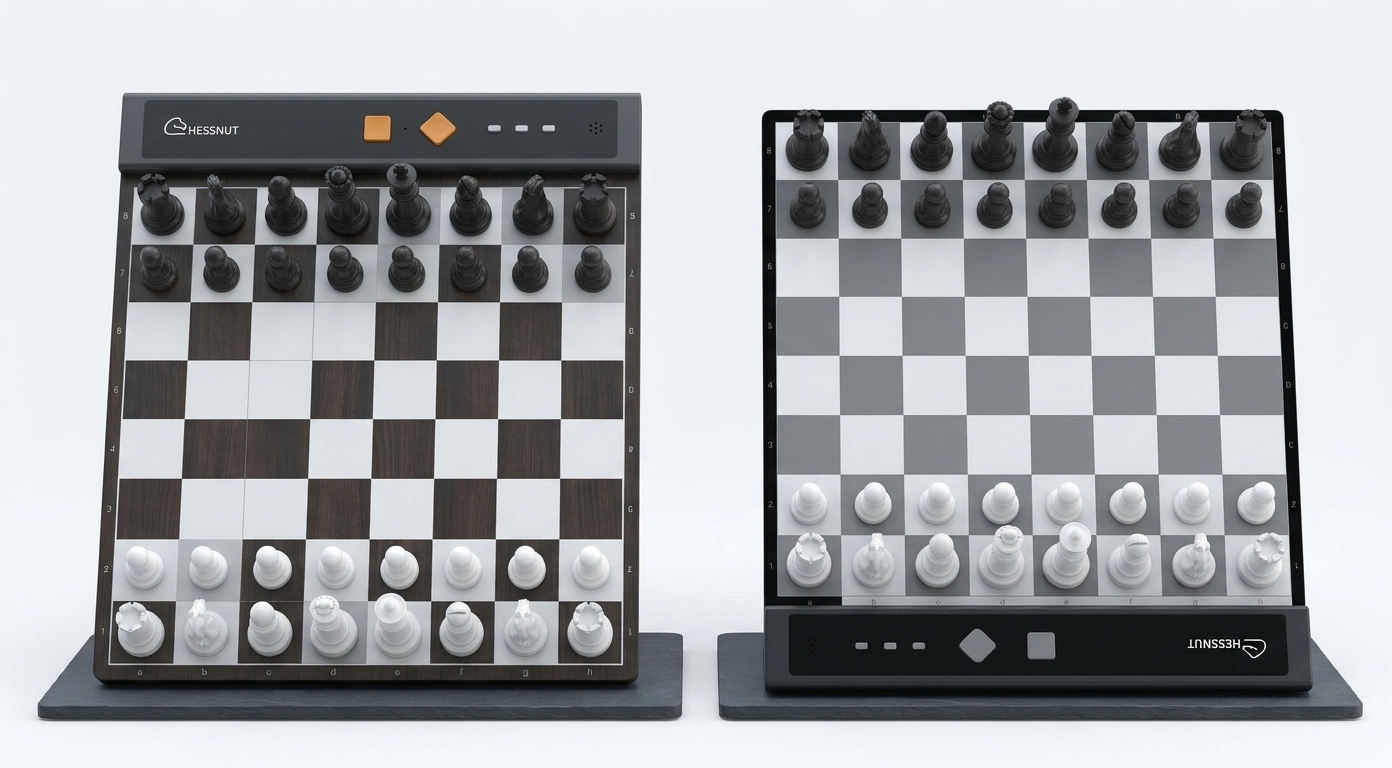
Explore smart electronic chess boards with interactive features, AI training options, and game analysis tools to support consistent chess practice.
Do you struggle to find practice partners who match your chess skill level? Many players also struggle to identify mistakes and improve their strategies independently. Fortunately, Smart Electronic Chess Boards make training more interactive and convenient. These boards combine innovative features with digital connectivity to support players at different skill levels. For example, Chessnut DE US offers options for players exploring modern chess technology and engaging practice experiences. Whether you are learning basic moves or studying advanced openings, suitable equipment can support your progress. However, choosing the right board requires understanding your goals, preferred features, and budget. By comparing available options, you can find equipment that complements your playing style.
Common Challenges Chess Players Face
Traditional chess offers many benefits, but independent practice can sometimes frustrate players. Several obstacles can slow their progress.
- Finding suitable opponents: Friends may lack time to play or match your skill level.
- Recognizing mistakes: Beginners often overlook tactical errors without immediate feedback.
- Maintaining motivation: Repeating identical exercises can make practice feel predictable.
- Tracking progress: Reviewing previous games and identifying recurring weaknesses requires effort.
- Learning advanced strategies: Complex positions can overwhelm players without appropriate guidance.
These challenges affect players differently. For instance, beginners often need help understanding basic tactics, while experienced players analyze complicated positions. Therefore, suitable equipment can make training more productive by addressing your specific needs.
Why Traditional Chess Training Can Feel Limiting
Traditional chessboards help players develop concentration, patience, and strategic thinking. Nevertheless, players usually handle analysis and feedback themselves. When playing alone, you might struggle to determine whether a move creates an advantage. Similarly, manually reviewing entire games can consume considerable time. Without consistent analysis, you may repeat mistakes across multiple matches. Fortunately, digital technology creates additional learning opportunities. Depending on the model, electronic boards connect physical pieces with chess software, record moves, or support computer opponents. Some systems also provide analysis tools and interactive training features. However, electronic boards do not all offer identical functions. Therefore, understanding their differences helps you avoid paying for unnecessary features.
Practical Ways to Improve Your Chess Training
Before investing in new equipment, establish a simple routine that encourages consistent improvement.
1. Set Clear Learning Goals
Choose one or two skills to improve during each training session. For example, focus on opening principles, tactical patterns, or endgame techniques. Additionally, set realistic goals and review your progress regularly. This approach helps you recognize improvements without making practice unnecessarily complicated.
2. Analyze Your Previous Games
Review completed games to identify recurring mistakes and missed opportunities. Pay attention to blunders, weak positional decisions, and overlooked tactical opportunities. Furthermore, maintain a record of important games and the lessons they teach you. Over time, this habit helps you recognize patterns in your decision-making.
3. Practice Against Different Opponents
Playing against opponents with different strengths exposes you to unfamiliar positions and strategies. However, finding regular opponents can sometimes prove difficult. In that case, a suitable electronic chessboard may provide another practice option. Some models support computer opponents through built-in features or compatible software. Consequently, you can practice even when another player remains unavailable.
4. Combine Physical Play With Digital Learning
Many players prefer moving real chess pieces instead of relying entirely on screens. Therefore, combining physical play with digital tools can create a more engaging training experience. When comparing Electronic Chess Sets and Accessories, consider how each board supports your preferred learning methods. For example, move recording, software compatibility, and interactive feedback can improve your training experience.
Choosing AI Chess Training Equipment That Fits Your Needs
AI Chess Training Equipment can provide useful learning support, but your ideal choice depends on your experience and expectations. Some players need basic digital assistance, while others prefer advanced analysis and connected gameplay.
Before purchasing, evaluate these important features:
- Playing strength: Choose difficulty levels that match your current abilities.
- Move recognition: Check how accurately the board detects piece movements.
- Software compatibility: Confirm compatibility with your preferred chess applications and devices.
- Game recording: Look for features that save matches for later analysis.
- Training tools: Explore available puzzles, feedback, and position analysis.
- Board quality: Evaluate piece design, construction, portability, and overall usability.
- Connectivity: Determine whether the board requires Wi-Fi, Bluetooth, or another connection method.
Additionally, review the manufacturer's specifications before purchasing. Some boards require companion applications or subscriptions for specific features. Checking these requirements helps you understand the total ownership experience.
Why Consider Chessnut DE US for Modern Chess Practice?
Players exploring connected chess technology often want equipment that combines physical gameplay with digital functionality. Chessnut DE US offers a starting point for comparing smart chessboard options for home practice and interactive play. Depending on the selected model, electronic chessboards may provide features that support structured training. These capabilities can help players combine traditional chess habits with modern digital tools.
When evaluating suitable equipment, consider these potential advantages:
- More convenient practice: Play without always needing another person at the board.
- Interactive learning: Explore moves and positions through supported digital features.
- Game analysis: Review recorded matches when your selected model supports this function.
- Flexible training: Adapt practice sessions to your schedule and learning objectives.
- Physical engagement: Move real pieces while using compatible digital tools.
However, available functions vary by model. Therefore, review the specific product description to confirm support for AI opponents, move feedback, game recording, and online connectivity.
How Upgrading Can Improve Your Chess Experience
Choosing suitable Smart Electronic Chess Boards can make regular practice more convenient and organized. Digital features may simplify certain parts of the learning process instead of requiring entirely manual analysis. For beginners, guided practice can make unfamiliar positions easier to understand. Meanwhile, intermediate players can review recorded games to identify recurring weaknesses. Experienced players may also appreciate compatible tools for analyzing positions and testing different strategies. Nevertheless, technology cannot replace thoughtful decision-making or consistent practice. Developing strong chess skills still requires patience, focused study, and experience against different opponents.
To maximize your investment, combine electronic training with these habits:
- Study fundamental chess principles regularly.
- Solve tactical puzzles to sharpen your pattern recognition.
- Review mistakes instead of focusing exclusively on victories.
- Practice endgames and challenging positions.
- Use digital feedback to guide your next learning goals.
Ultimately, this balanced approach allows technology to support your development without replacing independent thinking.
Conclusion: Choose Smarter Chess Equipment for Your Goals
Improving at chess requires consistent practice, thoughtful analysis, and a willingness to learn from mistakes. However, finding opponents and reviewing games can sometimes slow your progress. Fortunately, modern Smart Electronic Chess Boards offer practical features that may help address these challenges. Before purchasing, compare playing strength, software compatibility, training tools, and construction quality. Additionally, confirm which features your preferred model actually supports. If you want to explore connected chess technology, Chessnut DE US provides a starting point for comparing available options. Choose equipment that matches your abilities, supports your learning goals, and encourages regular practice. With suitable tools and a consistent routine, you can make every chess session more purposeful.
live smarter
Shop smarter, live better, and stay ahead of the trends with our reliable recommendations!
Gadgets and Tech
6 min read
How to Choose the Best Laser Distance Measuring Tools for Accurate Results





trending
Gadgets and Tech
6 min read
How to Choose Quality Bongs and Water Pipes for a Better Experience
Fashion
6 min read
How to Choose Human Hair Wigs for a Natural Look
Home and Garden
6 min read
How to Design a Better Home Office with Ease
Health and Beauty
4 min read
Graymatter Bright Mind: A Smarter Daily Drink Mix for Mental Performance
Fitness and Sports
5 min read
Winter Hiking with The Right Essentials Decathlon
Travel
11 min read
The Ultimate Guide To Car Maintenance For Beginners
N/A
7 min read