
Travel
11 min read
The Ultimate Guide To Car Maintenance For Beginners
February 21 , 2026
By RDS47
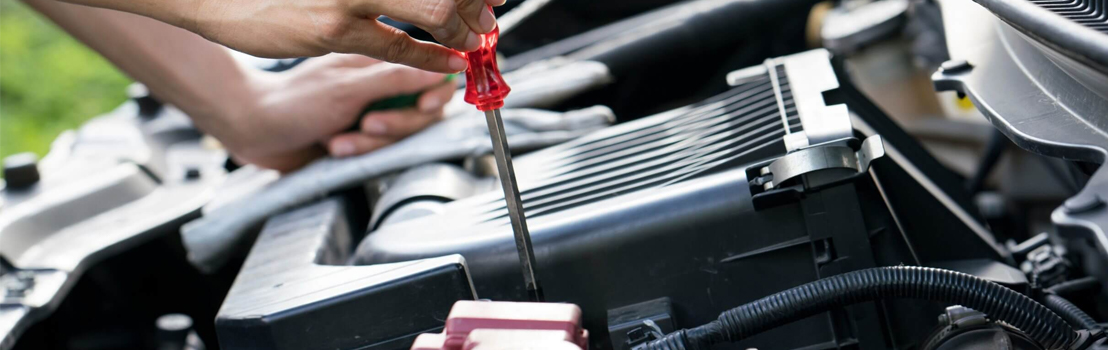
Owning a car is responsible for maintaining
it to ensure its longevity and reliability.
Regular maintenance not only helps in
preventing unexpected breakdowns but also improves your vehicle`s performance
and safety. For beginners, car maintenance might seem overwhelming, but it
becomes manageable and even empowering with the right knowledge and tools.
Owning a car is responsible for maintaining
it to ensure its longevity and reliability.
Regular maintenance not only helps in
preventing unexpected breakdowns but also improves your vehicle`s performance
and safety. For beginners, car maintenance might seem overwhelming, but it
becomes manageable and even empowering with the right knowledge and tools.
This guide will walk you through the basics
of car maintenance, including essential services like oil changes, tire rotations,
and brake inspections. The best part is that car maintenance is now way easier
than ever with Halfords. They
provide the exact care your vehicle needs.
Understanding Car Maintenance
Car maintenance involves a series of
routine checks and services to keep your vehicle in good working condition.
Regular maintenance can prevent potential problems, enhance safety, improve
fuel efficiency, and extend the life of your car. Here are the key components
of car maintenance every beginner should know:
1. Oil Changes
Why Are Oil Changes Important?
Oil is the lifeblood of your engine. It
lubricates the moving parts, reduces friction, and helps keep the engine cool.
Over time, oil can break down and become contaminated with dirt and debris,
reducing its effectiveness. Regular oil changes ensure your engine runs
smoothly and efficiently.
How Often Should You Change the Oil?
The frequency of oil changes depends on your car`s make and model, as well as your driving habits. Generally, it`s recommended to change the oil every 3,000 to 5,000 miles. However, many modern cars can go longer between oil changes, so it`s best to consult your owner`s manual for specific recommendations.
How to Change the Oil
Changing the oil is a relatively
straightforward process:
1. Gather Supplies:
You`ll need new oil, an oil filter, a wrench, a funnel, and a
container to catch the old oil.
2. Drain the Old Oil:
Locate the oil drain plug under the car and place the container
beneath it. Remove the plug and let the oil drain completely.
3. Replace the Oil Filter:
Use the wrench to remove the old oil filter and replace it with a
new one.
4. Add New Oil:
Once the old oil has drained and the new filter is in place,
replace the drain plug and add the new oil using the funnel. Be sure to check
the oil level with the dipstick to ensure it`s at the correct level.
2. Tyre Rotations
Why Are Tyre Rotations Important?
Tyre rotation involves moving your Tyres
from one position on the car to another to ensure even Tyre wear. Regularly
rotating your Tyres helps extend their lifespan, improve fuel efficiency, and
ensure a smoother ride.
How Often Should You Rotate the Tyres?
It`s generally recommended to rotate your
tires every 6,000 to 8,000 miles. However, this can vary based on your vehicle
and driving conditions, so check your owner`s manual for specific guidelines.
Or take Halford’s free Tyre check service to get
your Tyre’s rotation checked.
How to Rotate the Tyres
Tyre rotation patterns depend on whether
you have front-wheel drive, rear-wheel drive, or all-wheel drive. Here’s a
basic guide:
1. Front-Wheel Drive:
Move the front tires to the back on the same side, and the rear
tires to the front on the opposite side (crisscross pattern).
2. Rear-Wheel Drive:
Move the rear tires to the front on the same side, and the front
tires to the back on the opposite side.
3. All-Wheel Drive:
Follow the pattern recommended by the manufacturer, often a
crisscross pattern.
You’ll need a jack, a lug wrench, and a
torque wrench to perform the rotation. Always ensure your car is on a flat
surface and use jack stands for safety.
3. Brake Inspections
Why Are Brake Inspections Important?
Your car’s braking system is crucial for
safety. Regular brake inspections help identify wear and tear on brake pads,
rotors, and other components before they become serious issues.
How Often Should You Inspect the Brakes?
It`s advisable to inspect your brakes every
10,000 to 15,000 miles or at least once a year. However, if you notice any
signs of brake problems, such as squeaking, grinding, or a soft brake pedal,
have them checked immediately.
How to Inspect the Brakes
While a professional mechanic can perform a
thorough brake inspection, you can do a basic check yourself:
1. Check Brake Pads:
Look through the spaces in your wheels to see the brake pads. They
should be at least 1/4 inch thick. If they’re thinner, they need replacing.
2. Listen for Noises:
Unusual noises like squeaking or grinding when you brake can
indicate worn brake pads or other issues.
3. Feel for Vibrations:
If you feel vibrations in the brake pedal or steering wheel when
braking, it could indicate warped rotors.
Additional Maintenance Tips
Checking Fluid Levels
Your car relies on various fluids to
operate smoothly, including coolant, transmission fluid, brake fluid, and power
steering fluid. Regularly check these fluids and top them up as necessary.
Refer to your owner’s manual for the location of each reservoir and the correct
type of fluid to use.
Replacing the Air Filter
A clean air filter improves engine
performance and fuel efficiency. Check your air filter every 12,000 to 15,000
miles and replace it if it appears dirty with the help from Halfords.
Inspecting Belts and Hoses
Belts and hoses can wear out over time,
leading to potential breakdowns. Inspect them for signs of wear, cracks, or
leaks and replace them as needed.
Keeping the Battery in Good Condition
Check the battery terminals for corrosion
and clean them if necessary. Ensure the battery is securely mounted and check
the charge level periodically. Most batteries last 3-5 years, so consider
replacing an older battery to avoid unexpected failures.
Building a Maintenance Schedule
Creating a maintenance schedule can help
you keep track of when services are due. Use a calendar or a maintenance log to
record the date and mileage of each service. Regularly review your owner`s
manual for specific maintenance intervals and follow them diligently.
Top 10 Signs Your Car Needs a Service
Keeping your car in top condition involves
regular maintenance and being attentive to any signs that it might need a
service. Ignoring these signs can lead to more significant issues and costly
repairs down the line.
Here are the top 10 indicators that your
car requires attention from a professional:
1. Warning Lights on the Dashboard
What to Look For:
Modern cars are equipped with a range of
sensors that monitor various systems. When something goes wrong, warning lights
on the dashboard illuminate.
Common Warning Lights:
a) Check Engine Light:
Can indicate various issues, from a loose gas cap to engine
problems.
b) Brake Warning Light:
Signals issues with the brake system, such as low brake fluid or
worn brake pads.
c) Battery Light:
Indicates a problem with the car’s charging system, often related to the
battery or alternator.
Action:
Do not ignore these lights. Consult your
owner’s manual to understand the specific warning and schedule a service
appointment as soon as possible.
2. Unusual Noises
What to Listen For:
Strange sounds often signal that something
is wrong with your car.
Common Noises:
a) Squealing or Grinding Brakes:
Indicates worn brake pads or rotor issues.
b) Clunking Sounds:
Often related to suspension or steering problems.
c) Knocking Sounds from the Engine:
Can be a sign of engine knocking, potentially due to low oil or
issues with the fuel system.
Action:
Have a professional mechanic inspect your
car to diagnose and fix the source of the noise.
3. Changes in Handling
What to Feel For:
Any noticeable change in how your car
drives can indicate underlying issues.
Common Handling Issues:
a) Pulling to One Side:
Often a sign of alignment issues or uneven tire pressure.
b) Excessive Vibration:
This could be caused by unbalanced tires, worn suspension
components, or brake issues.
c) Difficulty Steering:
Might indicate problems with the power steering system or low power
steering fluid.
Action:
Get your car checked by a mechanic to
address any handling issues and ensure safe driving conditions.
4. Decreased Fuel Efficiency
What to Notice:
A sudden drop in fuel efficiency can be a
sign that your car is not running as efficiently as it should.
Possible Causes:
a) Dirty Air Filter:
Restricts airflow to the engine, reducing efficiency.
b) Fuel System Issues:
Problems with the fuel injectors or fuel pump.
c) Tyre Problems:
Under-inflated tires can decrease fuel efficiency.
Action:
Schedule a service to diagnose and fix the
cause of decreased fuel efficiency.
5. Excessive Exhaust Smoke
What to Look For:
The color and amount of exhaust smoke can
indicate various issues.
Types of Smoke:
a) Blue Smoke:
Sign of oil burning, possibly due to worn engine components.
b) White Smoke:
Can indicate a coolant leak into the engine, often related to a
blown head gasket.
c) Black Smoke:
Suggests that the engine is burning too much fuel, possibly due to
a clogged air filter or fuel system problems.
Action:
Have a professional inspect your car to
determine the cause of excessive exhaust smoke.
6. Fluid Leaks
What to Look For:
Puddles or stains under your car can
indicate fluid leaks.
Common Fluid Leaks:
a) Oil:
Brown or black puddles under the engine.
b) Coolant:
Green, orange, or pink fluid, often sweet-smelling.
c) Transmission Fluid:
Red or brown fluid under the car’s centre.
d) Brake Fluid:
Clear to yellowish fluid near the wheels.
Action:
Identify the type of fluid and have your
car inspected to fix any leaks.
7. Soft or Spongy Brakes
What to Feel For:
A change in how your brake pedal feels can
indicate issues with the braking system.
Common Symptoms:
a) Soft Pedal:
The brake pedal feels mushy or sinks to the floor.
b) Spongy Pedal:
The pedal feels springy and lacks firmness.
Action:
These symptoms often indicate air in the
brake lines or brake fluid leaks. Have your brakes inspected and serviced
immediately.
8. Engine Stalling or Misfiring
What to Notice:
If your engine stalls or misfires, it’s a
clear sign of a problem.
Possible Causes:
a) Ignition System Issues:
Problems with spark plugs, ignition coils, or the ignition module.
b) Fuel System Problems:
Issues with the fuel pump, fuel filter, or fuel injectors.
c) Air Intake Issues:
A dirty air filter or mass airflow sensor problems.
Action:
Get your car serviced to diagnose and fix
the cause of stalling or misfiring.
9. Overheating Engine
What to Watch For:
The temperature gauge rising above normal
or steam coming from the hood.
Possible Causes:
a) Coolant Leak:
Low coolant levels due to leaks.
b) Radiator Issues:
Problems with the radiator or radiator cap.
c) Thermostat Failure:
A faulty thermostat does not regulate engine temperature.
Action:
Stop driving immediately if your engine overheats
and have it inspected to prevent severe damage.
10. Burning Smell
What to Smell For:
Any unusual burning smell can indicate a
serious issue.
Common Causes:
a) Burning Oil:
Indicates an oil leak or engine problem.
b) Burning Rubber:
Could be due to a slipping belt or a hose that’s come into contact
with hot engine parts.
c) Burning Electrical Smell:
Suggests an electrical short or overheating wiring.
Action:
Investigate the source of the smell
promptly and get your car serviced to prevent further damage.
Car maintenance might seem daunting at
first, but understanding the basics can make it manageable and even satisfying.
Regular oil changes, tyre rotations, and brake inspections are essential
services that keep your car running smoothly and safely. By following this
guide and staying proactive about your vehicle’s maintenance needs, you can
enjoy a reliable and efficient car for years to come. Being aware of these
common signs can help you identify when your car needs a service and prevent
minor issues from becoming major problems. Regular maintenance and prompt
attention to warning signs ensure your vehicle remains safe, reliable, and
efficient. If you notice any of these signs, don`t hesitate to book a service
appointment with a trusted provider like Halfords to
keep your car in optimal condition. Happy driving!
live smarter
Shop smarter, live better, and stay ahead of the trends with our reliable recommendations!






trending
Health and Beauty
4 min read
Graymatter Bright Mind: A Smarter Daily Drink Mix for Mental Performance
Home and Garden
6 min read
How to Choose the Best Bedding for a More Comfortable Night’s Sleep
Gadgets and Tech
5 min read
How to Choose an xTool UV Printer, F2 Ultra & Apparel Printer
Fashion
5 min read
How to Choose the Best Unisex Pheromone Perfume for a Lasting Impression
Fitness and Sports
5 min read
Winter Hiking with The Right Essentials Decathlon
N/A
7 min read
Planning The Perfect All Inclusive Holiday Tips And Tricks
Travel
6 min read