
Home and Garden
4 min read
How to Choose the Best GPS Dog Fence & SpotOn Dog Collars
September 02 , 2026
By Wallace Bixby
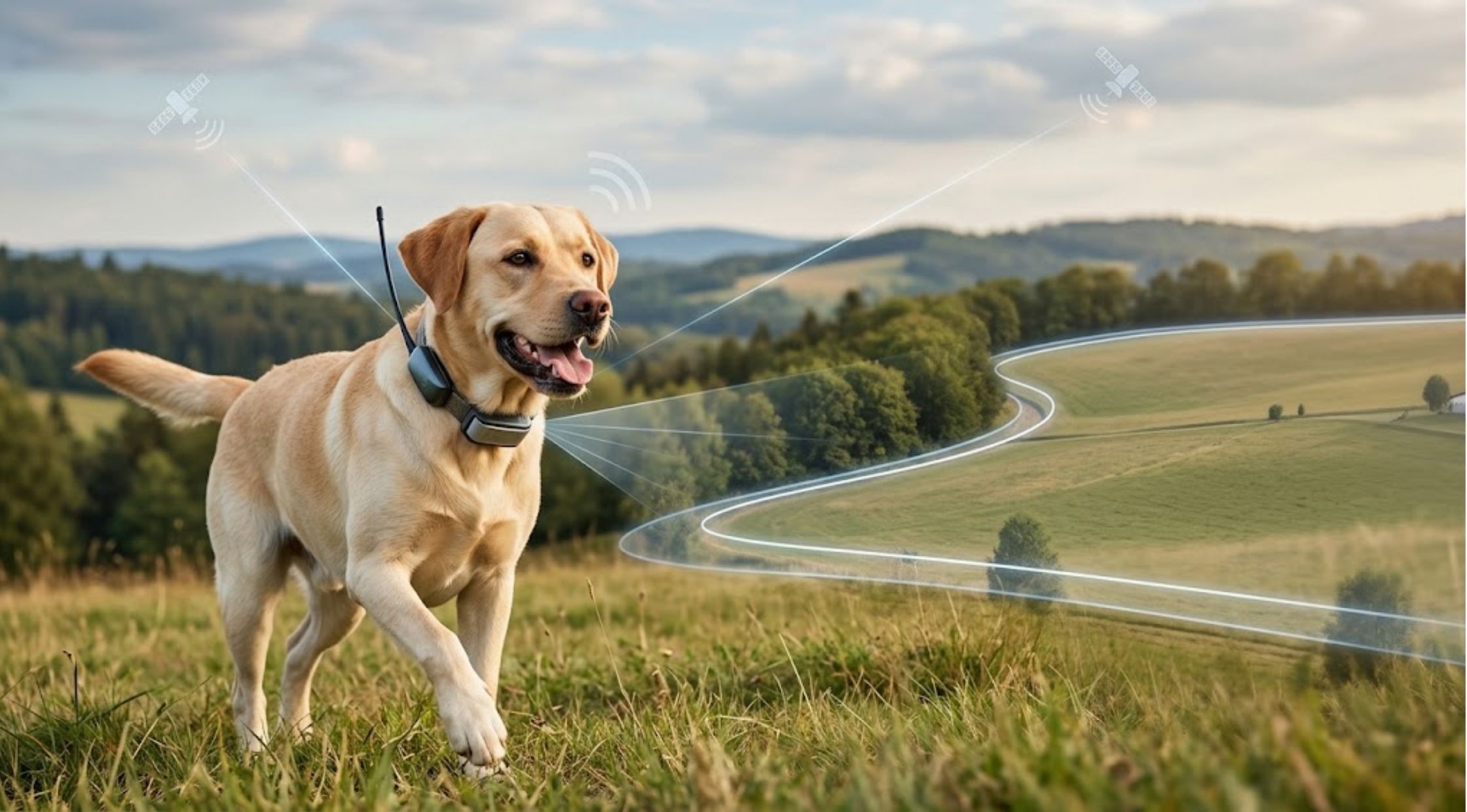
It can be difficult to keep a dog safe when it is free to go outdoors.
It can be difficult to keep a dog safe when it is free to go outdoors. Not all properties can be effectively fenced, and homeowners may not want to erect a physical structure. GPS-based dog fences offer an alternative, creating customizable virtual boundaries using satellite networks instead of buried wires or physical wood and wire.
1. How GPS Dog Fencing Works
A GPS dog fence uses satellite signals to establish a perimeter around your property. The receiver is housed directly within the dog’s collar, tracking its real-time coordinates relative to the programmed boundary. When the dog approaches the virtual line, the collar issues automated cues—such as warning tones, vibrations, or static corrections—to prompt the dog to turn back into the safe zone.
Key Considerations When Buying:
- Property Size: Best suited for properties 1/2 acre or larger to accommodate GPS drift.
- Boundary Customization: Ability to draw custom shapes, create off-limit zones (like pools or gardens), or save multiple property maps.
- GPS Accuracy: Advanced receivers connect to multi-constellation networks (GPS, Galileo, GLONASS) for 3–10 foot position accuracy.
- Battery Life: Systems typically operate for 18–33+ hours per charge depending on tracking modes.
- Durability: Water and weather ratings (e.g., IP67 waterproof) ensure operation through rain, mud, and swimming.
- Subscription Requirements: Some systems operate basic containment free of monthly fees, but require optional cellular subscriptions for real-time tracking outside the property.
2. SpotOn GPS Fence Setup & Training
Unlike traditional invisible fences, a SpotOn GPS system requires no underground trenching or physical transmitter boxes. Everything is managed via a mobile app connected directly to the collar.
Step-by-Step Installation & Setup
- Map the Property: Walk the desired perimeter with the collar or draw custom boundary points on the companion smartphone app.
- Buffer Zones: Keep boundaries at least 15–20 feet away from hazardous areas (highways, drop-offs, deep water) to give your dog enough reaction distance when the warning tone sounds.
- Calibrate: Confirm signal lock with sky view before starting boundary practice.
Leash-Based Training Protocol
Effective boundary training typically takes 1 to 2 weeks. Never rely solely on automated correction without completing a proper leash training program:
- Phase 1 (Tone Familiarization): Walk your dog on a leash toward the boundary. As soon as the alert tone sounds, call them back into the safe zone and reward heavily with treats and praise.
- Phase 2 (Distraction Testing): Introduce controlled distractions (such as a friend walking past or throwing a ball outside the boundary) while keeping your dog on a long lead to reinforce turning back at the tone.
- Phase 3 (Supervised Off-Leash): Allow off-leash freedom while maintaining close supervision until the dog consistently respects the virtual boundary.
3. SpotOn Collar Specifications & System Maintenance
Selecting the right collar size and maintaining the hardware are critical to system reliability and pet safety.
SpotOn Collar Features
- Fit & Weight: Designed for dogs weighing 15+ lbs with neck sizes between 10 and 26 inches. The collar weighs approximately 0.5 lbs.
- Durability: Rated IP67 waterproof (submersible up to 1 meter), enabling dogs to swim or run in heavy rain without damaging electronics.
- Dual-Band Antenna: Tracks signals from up to 30+ satellites simultaneously across 4 global constellations.
System Reliability & Maintenance Checklist
- Daily Charging: Place the collar on its dock daily to ensure full battery capacity prior to outdoor exercise.
- Regular Inspection: Clean the contact points and check for wear or mud accumulation around the charging ports.
- Fit Check: The collar should fit snugly so the sensors maintain consistent contact without causing skin irritation.
- Dual Collar Setup: A GPS fence collar does not replace a standard flat collar. Attach leashes and physical ID tags to a secondary regular collar.
4. GPS Fence vs. Traditional Physical Fence
|
Feature / Aspect |
GPS Virtual Fence (SpotOn) |
Traditional Physical Fence |
|
Best Property Fit |
Medium-to-large properties (0.5+ acres) |
Small suburban lots or tight yards |
|
Installation |
App-based mapping; zero underground wiring |
Manual post digging, fencing materials, high labor cost |
|
Portability |
Highly portable; works at vacation homes, camping, or trips |
Fixed to the property |
|
Terrain Flexibility |
Covers uneven terrain, woods, water edges, and large acreage |
Difficult/expensive to install on rocky or steep slopes |
|
Physical Barrier |
Visual/auditory boundary (requires dog training) |
Physical obstruction (keeps stray animals out) |
Final Thoughts
A GPS dog fence offers property owners flexibility and freedom without the high costs or aesthetic impact of physical barriers. Systems like the SpotOn GPS fence excel on larger properties where digging wire trenches is impractical.
By selecting a properly fitted, IP67 waterproof collar, allowing adequate boundary buffers, and committing to a 1–2 week leash-training program, you can establish a reliable, safe roaming zone for your pet.
live smarter
Shop smarter, live better, and stay ahead of the trends with our reliable recommendations!





trending
Gadgets and Tech
6 min read
How to Create a Cleaner, Smarter Pet Feeding Routine at Home
Fashion
7 min read
Right Products Online for Better Value and Everyday Convenience
Home and Garden
7 min read
How to Choose the Right Products Online for Better Value and Everyday Convenience
Health and Beauty
4 min read
Graymatter Bright Mind: A Smarter Daily Drink Mix for Mental Performance
Fitness and Sports
5 min read
Winter Hiking with The Right Essentials Decathlon
Travel
11 min read
The Ultimate Guide To Car Maintenance For Beginners
N/A
7 min read